


Page 8 - hypertension_newsletter9
P. 8
REFLECTIONS
                                                                                                                   Hypertension
     Hypertension Global Newsletter #9 2025


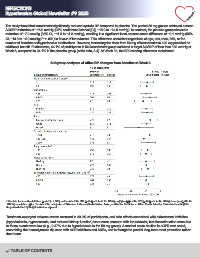
     The study found that lorundrostat significantly reduced systolic BP compared to placebo. The pooled 50 mg groups achieved a mean
     AOSBP reduction of −16.9 mmHg (95% confidence interval [CI], −19.0 to −14.9 mmHg). In contrast, the placebo group showed a
     reduction of −7.9 mmHg (95% CI, −11.5 to −4.2 mmHg), resulting in a significant least-squares mean difference of −9.1 mmHg (95%
                                                                                                                   Hypertension
     CI, −13.3 to −4.9 mmHg; P < .001) in favour of lorundrostat. This effect was consistent regardless of age, sex, race, BMI, or the
     number of baseline antihypertensive medications. However, increasing the dose from 50 mg of lorundrostat to 100 mg provided no
     additional benefit. Furthermore, 44.1% of participants in the lorundrostat group achieved a target AOSBP of less than 130 mmHg at
     Week 6, compared to 24.1% in the placebo group (odds ratio, 3.4). At Week 12, the BP-lowering effect was maintained.


                                Subgroup analyses of office BP changes from baseline to Week 6


     a The data for lorundrostat were pooled (n = 808) and included the 538 participants from the 50 mg-only group plus the 270 participants in the 50 mg dose group with the
     100 mg escalation option.  Included the categories of American Indian or Alaska Native, Asian, and Native Hawaiian or Other Pacific Islander.  Calculated as weight in
                                                                                                    c
                       b
     kilograms divided by height in meters squared.
     Treatment-emergent adverse events occurred in 49.9% of participants, and side effects associated with aldosterone inhibition
     (hyperkalemia, hyponatremia, and reduced kidney function) were more common with lorundrostat, but discontinuation rates due
     to these events were low (e.g., 0.37% due to hyperkalemia in the 50 mg group). A modest acute decline in eGFR was noted,
     resembling the hemodynamic dip seen with ACE inhibitors and ARBs, and is thought to predict long-term renal protection rather
     than harm.


          TABLE OF CONTENTS

